What is mediation? Step-by-step process
Mediation is a conflict resolution method in which a neutral third party, the mediator, helps participants reach an agreement. The goal of mediation is to find a mutually satisfactory solution without escalating the issue to court or involving higher authorities. This article explains what mediation is, its stages, and benefits, as well as how the DISC tool can support mediation by improving understanding of personality styles involved in the conflict.
What is mediation?
Mediation is a voluntary process in which conflicting parties, with the help of a mediator, work toward an agreement. The mediator does not impose any solution but helps identify needs, establish common goals, and create a space for constructive dialogue. Mediation is widely used in workplace disputes, family conflicts, and community disagreements. Its key advantages include speed, flexibility, and lower costs compared to formal legal proceedings.
Benefits of mediation
Mediation offers several advantages:
- Speed and flexibility – Mediation is usually faster than litigation, leading to quicker resolutions.
- Lower costs – It is significantly less expensive than court proceedings, especially in workplace and family disputes.
- Constructive atmosphere – Mediation fosters open communication and mutual understanding.
- Sense of control – Both parties influence the outcome, creating a sense of fairness and cooperation.
Mediation ensures that both parties operate on equal terms, making voluntary agreements more sustainable.
Step-by-step mediation process
Let’s break down the mediation process and its key stages.
1. Initiating mediation
The first step is the decision to mediate. Since mediation is voluntary, both parties must agree to participate. In workplace mediation, either an employee or employer may initiate the process. Mediation is often chosen to resolve disputes informally and efficiently rather than escalating them through formal complaints or legal actions.
2. Selecting a mediator
The parties then choose a mediator, who must be neutral, impartial, and experienced in conflict resolution. The mediator should have expertise in active listening, communication techniques, and conflict management while avoiding personal biases.
3. Initial informational meeting
The first meeting is an opportunity to explain the mediation process. The mediator:
- Outlines confidentiality rules.
- Describes how mediation will proceed.
- Establishes communication guidelines to create a safe space.
This session allows parties to feel comfortable and understand how the process will unfold. The duration of mediation varies depending on the complexity of the dispute, with some cases resolved in a single session and others requiring multiple meetings.
4. Identifying the problem and participants’ needs
Next, the mediator helps parties clarify their key concerns and expectations. Active listening techniques, paraphrasing, and open-ended questions help each party express their perspective.
Using DISC to improve mediation
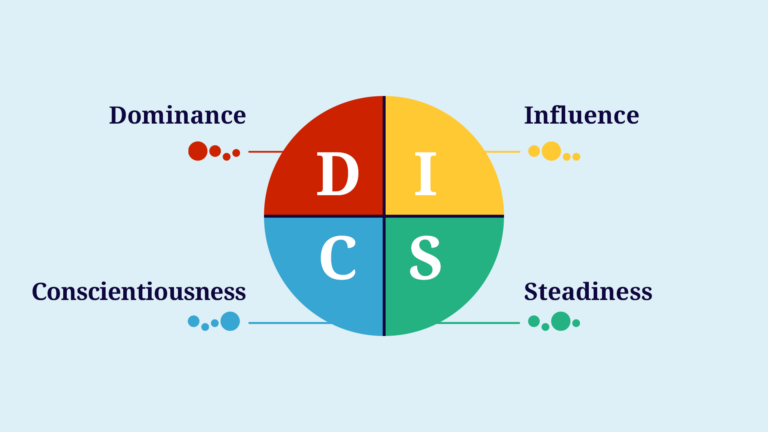
The DISC tool can help mediators understand personality and communication differences.
- Dominant (D) personalities seek quick, decisive solutions and may prefer direct discussions.
- Influential (I) personalities value positive relationships and may focus on emotional aspects.
- Steady (S) personalities prefer gradual, conflict-free resolutions.
- Conscientious (C) personalities need structured, detailed agreements.
By recognizing communication preferences, mediators can adapt their approach to improve cooperation.
5. Generating possible solutions
Once participants understand each other’s perspectives, they move to brainstorming solutions. The mediator:
- Encourages idea generation without judgment.
- Facilitates discussion about the pros and cons of each option.
- Helps both sides consider alternative solutions.
The mediator does not impose a solution but guides the discussion to ensure all possibilities are explored.
6. Negotiating a resolution
At this stage, the parties engage in negotiations to refine the proposed solutions.
- They evaluate potential outcomes.
- They adjust expectations to reach a fair compromise.
- The goal is to define a clear agreement that satisfies both parties.
For example, in a workplace mediation, employees may negotiate task responsibilities, work schedules, or communication improvements.
7. Formalizing the agreement
Once a resolution is reached, the mediator documents the agreement, summarizing all key terms.
- In formal mediations, this document may serve as a binding contract.
- In workplace mediations, it may outline changes to work conditions or team collaboration.
- Agreements are voluntary, ensuring both parties commit to following through.
8. Conclusion and follow-up monitoring
Once the agreement is signed, mediation concludes. However, the mediator may recommend a follow-up period where parties assess whether the agreement remains effective. Monitoring ensures:
- Accountability – Participants follow through with their commitments.
- Sustainability – The agreement continues to meet both parties’ needs.
How long does mediation take?
The duration of mediation depends on:
- The complexity of the dispute.
- The number of involved parties.
- Willingness to cooperate.
Simple cases may be resolved in one or two meetings, while complex disputes may take weeks or months. The process should allow participants sufficient time to explore all options.
Example: Workplace mediation
A conflict arises between two employees who disagree on project execution. The manager organizes mediation, where:
- Both employees express their concerns and expectations.
- The mediator facilitates a structured discussion.
- The employees reach a compromise on task division, ensuring smooth collaboration.
Mediation allows open, structured dialogue, preventing further escalation or workplace tension.
Mediation vs. other conflict resolution methods
Unlike litigation or arbitration, mediation is:
- Less adversarial – It fosters collaboration rather than legal battles.
- More flexible – Parties tailor their own solutions, rather than having decisions imposed.
- Voluntary – It relies on mutual agreement, making solutions more sustainable.
Conclusion: Why use mediation?
Mediation is an effective, structured conflict resolution method that promotes:
- Faster, cost-effective outcomes.
- Constructive, open communication.
- Mutual respect and cooperation.
By integrating DISC-based insights, mediators can adapt their communication style to facilitate a smoother resolution process. Mediation prevents escalation, strengthens collaboration, and fosters long-term workplace harmony, making it an essential tool for resolving disputes effectively.