Personal development: where to start? A practical guide for beginners
Personal development is the process of self-discovery, skill-building, and identifying personal aspirations. Many people choose this path to achieve greater life satisfaction, improve relationships, and better manage emotions. If you’re at the beginning of your journey and wondering where to start, this guide provides essential insights and practical tips.
What is personal development?
Personal development is the intentional pursuit of self-improvement, aimed at maximizing one’s potential. It includes various aspects such as:
- Emotional development – improving self-awareness and emotional intelligence.
- Social skills development – enhancing communication and interpersonal skills.
- Professional growth – acquiring new skills for career advancement.
In a professional setting, personal development often involves employee training, leadership development, and competency building, all of which contribute to a more effective and motivated workforce.
Why should you invest in personal development?
Engaging in personal development brings numerous benefits:
- Better self-awareness – Understanding your strengths and weaknesses.
- Emotional intelligence – Learning how to manage emotions effectively.
- Stronger social skills – Enhancing relationships and communication.
- Increased confidence and self-esteem – Achieving small goals builds a sense of self-worth.
Where to start your personal development journey?
Beginning personal development can feel overwhelming, but taking small, strategic steps makes the process more manageable. Here are key first steps to guide you:
1. Define your goals
The first step is to clearly identify what you want to achieve. Goals can range from improving communication skills and leadership abilities to managing emotions or acquiring new professional qualifications. Setting clear objectives provides motivation and direction for your growth journey.
2. Use the DISC personality tool
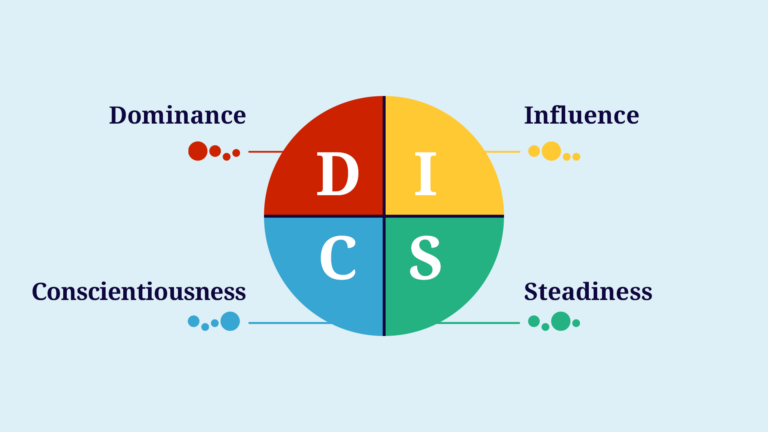
DISC is a personality assessment that helps you understand your communication style and behavioral preferences. It categorizes personalities into four types:
- Dominant (D) – direct, goal-oriented, assertive.
- Influential (I) – social, enthusiastic, persuasive.
- Steady (S) – patient, supportive, cooperative.
- Conscientious (C) – analytical, detail-focused, precise.
Knowing your DISC profile allows you to tailor your personal development strategies to fit your natural tendencies and strengths.
3. Develop emotional intelligence
Emotional intelligence (EQ) plays a vital role in personal development. It involves recognizing and managing emotions and understanding how emotions influence decisions and interactions.
Ways to develop emotional intelligence:
- Practice mindfulness – Meditation and breathing exercises help improve self-awareness.
- Journal emotions – Writing down feelings enhances emotional recognition.
- Reflect on emotional triggers – Understanding what influences your emotions helps regulate responses.
4. Identify strengths and areas for improvement
Self-improvement starts with a realistic evaluation of your talents and challenges. Make a list of your strengths and consider how they can be leveraged in your personal and professional life.
At the same time, acknowledge areas for improvement and develop a plan to address them. Understanding your capabilities and limitations allows for intentional, effective growth.
5. Create a structured development plan
Personal development requires consistency and patience. Set realistic, achievable goals with a structured plan, including:
- Weekly or monthly objectives – e.g., reading self-improvement books, attending workshops.
- Skill-building activities – practicing new techniques or developing competencies.
- Regular self-assessments – tracking progress and adjusting plans.
Consistency is key to achieving sustainable growth.
6. Strengthen your social skills
Effective communication and interpersonal skills are essential in both personal and professional settings.
To improve social competencies:
- Practice active listening – Focus on understanding rather than reacting.
- Develop assertiveness – Learn to express thoughts clearly and confidently.
- Cultivate empathy – Understanding others’ emotions strengthens relationships.
Strong social skills lead to better personal connections and professional success.
7. Invest in professional development
Personal growth extends to career development. Enroll in courses, workshops, and training programs to expand your knowledge and skillset.
For professionals in leadership roles, developing management and decision-making skills can enhance workplace effectiveness.
8. Seek feedback for improvement
Constructive feedback from colleagues, friends, or mentors provides valuable insight into strengths and areas for growth.
Ways to incorporate feedback:
- Ask for regular evaluations – in personal and professional settings.
- Use employee development assessments – in workplace environments.
- Reflect on feedback objectively – to make necessary improvements.
9. Prioritize and focus on key areas
Personal growth encompasses multiple areas, but it’s important to prioritize what matters most. Focus on actions that provide the highest value and align with long-term goals.
Setting clear priorities prevents feeling overwhelmed and ensures steady progress.
10. Embrace lifelong learning
Personal development is a continuous journey rather than a one-time project. Keep setting new goals, whether related to career, emotional intelligence, or social skills.
Lifelong learning ensures continuous self-improvement and fulfillment.
Conclusion
Personal development starts with self-awareness, goal setting, and structured progress. Using tools like DISC, practicing self-reflection, improving emotional intelligence, and strengthening social skills are fundamental for long-term success.
Investing in self-growth benefits both personal and professional life, unlocking full potential and enhancing overall life satisfaction.